
The Literary Apprenticeship
Little WomenJosephine March’s writing develops through imitation, publication, commercial compromise, moral crisis, and finally an authentic voice.
increasing Bearing strength in each event
 decreasing
Bearing strength in each eventdecreasingThe Garret Workshop
Writing in Secret
Private Practice
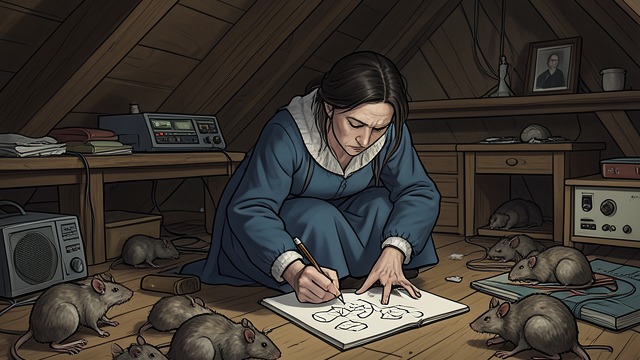
Josephine March writes in the garret among books, rats, and discarded household objects. The isolated room gives her imaginative freedom.
Ambition Formed
Her stories are childish in scale but serious in devotion. She wants to make something memorable and eventually support the family.
The Rival Painters
First Recognition
Publication
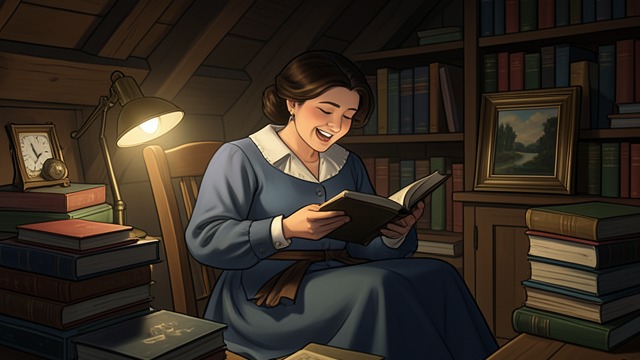
Josephine March submits stories secretly and sees “The Rival Painters” printed. Her family’s jubilation turns private effort into shared achievement.
Independence
The modest publication gives her proof that literary work can earn money. Writing becomes a practical path toward self-reliance.
The Sensation Prize
Commercial Ambition
A Hundred Dollars
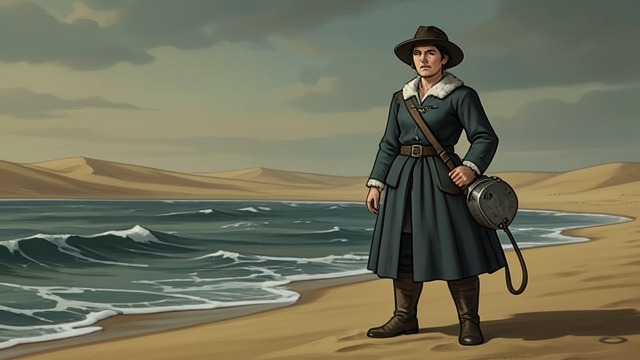
Josephine March wins a prize for a sensational tale. The money funds a seaside trip for Mrs. March and Elizabeth March.
A Complicated Success
The achievement is materially generous but artistically uncertain. Josephine March begins to see that success can reward methods she does not fully respect.
The Novel’s Revision
Cutting the First Book
Conflicting Advice
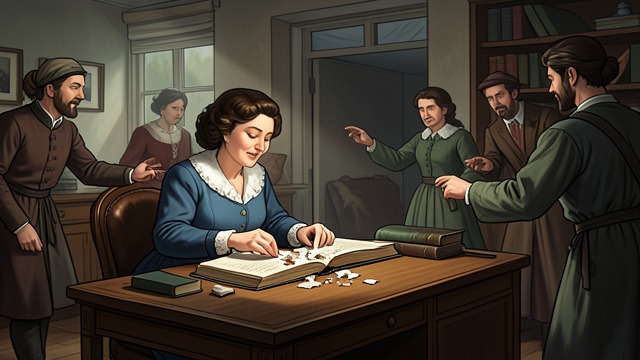
Josephine March’s family and publisher demand different changes to her novel. She cuts descriptions, moral reflections, and comic relief in an attempt to please everyone.
Critical Confusion
The published book earns both praise and condemnation. Josephine March learns that artistic identity cannot be constructed from every external opinion.
A Truer Story
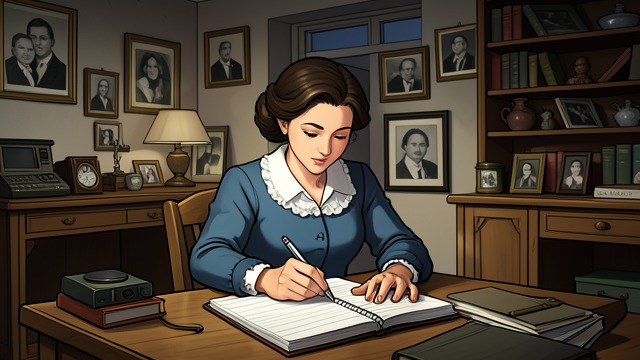
Writing from Experience
Simplicity
Josephine March writes a small story shaped by grief, family, and ordinary truth rather than sensational machinery.
Recognition
The story succeeds because readers feel its lived emotion. Josephine March finally discovers a style that joins art, humor, pathos, and moral honesty.
early winter
the autumn after the first party
the following year
after the prize story
after Elizabeth March’s death
